What all four are buying
-
01
said they would come
-
02
held a place
-
03
came, and a door confirmed it
Three counts, never merged. The drop between them is the point.

01 · creators
an audience is not a turnout.
You have people elsewhere. This is who among them can get there.
The loop
- Ask. something that does not exist yet
- Assemble. the venue, the door, the money
- Read it. who came, how far, who returned
What you can read, and where
- which of mine are close enough?
- Audience
- would anybody come to this?
- Activations
- what is nobody near me serving?
- Opportunities
- did it work, next to the last four?
- Analytics
What we don't pretend
Not a CRM. No list of who, and nothing to export.
There is no screen that names a person, and no export. Not withheld by a permission
either: what comes back is counts and bands, with no identifier in it to click through
with.
And once it is a real event, you cannot move a friend up the waitlist. Your lever is
capacity, which opens the door for everyone at once.
02 · venues
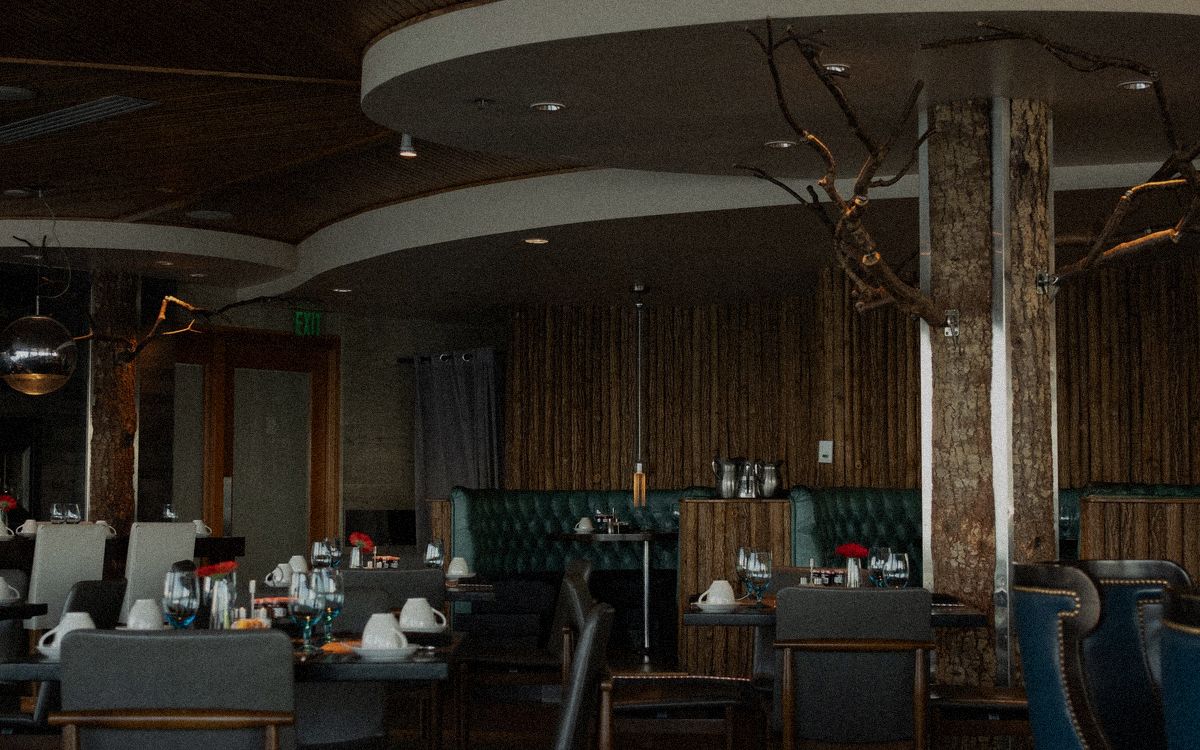
quiet nights, filled by people who show up.
A room empty on a Tuesday is inventory.
The loop
- Claim it. a person reviews it, not a form
- Open the calendar. hours, overrides, blackouts
- Answer. the room cannot be booked twice
What you can read, and where
- is the room earning?
- How full
- who came through it?
- Who came
- who is asking, and are they any good?
- Bookings
- did anybody take the offer?
- At the counter
- what is the neighbourhood asking for?
- Nearby
What Verified Hub means
Identity and disclosure. Not a fire-code, licensing or insurance certificate.
Two things: we checked your identity and control of the venue, and you disclosed what we
require. It says nothing about permits, accessibility compliance, or whether an event is
legally permitted there.
And how full is measured, never forecast. Occupancy of a week that has not happened is a
guess, and a guess set in the same type as a measurement is how a room gets staffed on
arithmetic nobody can audit.

03 · local business
not "people near you saw your business."
People who came in. Two ways to cause it.
The loop
- Put something on. at your address, answered first
- Or join one. offer a host's guests something
- Read the door. said they would, held, came
What you can read, and where
- what would this street turn out for?
- Nearby
- what should I put on?
- Activations
- whose event could I be part of?
- Events near you
- who came, and do they come back?
- Audience
- did it work, next to the last four?
- Analytics
What we don't pretend
No estimated revenue, and nobody is counted for walking past.
We have nothing from your till, and a labelled invention is still an invention. Demand
is aggregate, and withheld below five people.
A visit here is a door check-in, never proximity. If you also have a room that hosts
book, register it as a venue: the counter, the offers and the occupancy figures belong
to that desk, and one account can sit at both.
04 · brands
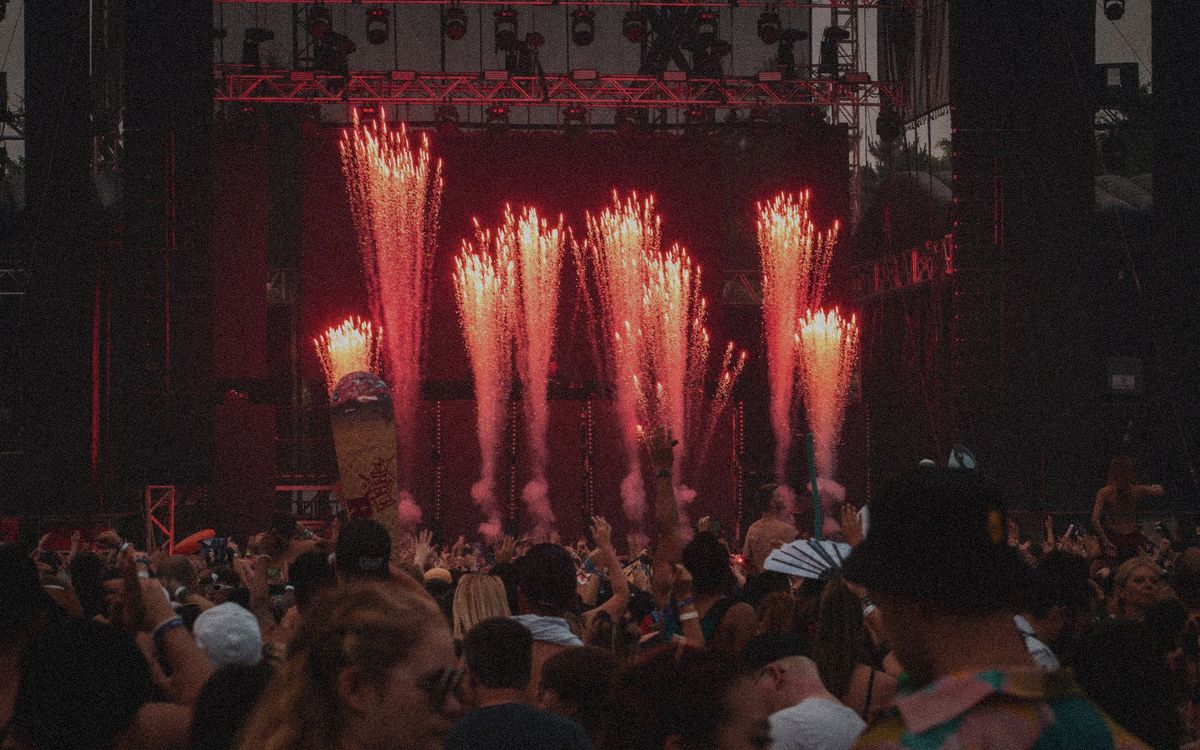
create participation. then measure it.
Cost per person who showed up. Not per impression.
The loop
- Pick a market. a point and a radius
- Run campaigns. many events, many creators, many cities
- Compare them. cheapest per verified participant first
What you can read, and where
- where should we be, and who is there?
- Markets
- which of these actually worked?
- Which ones worked
- who came, and where did they drop off?
- Who came
- what would this city turn out for?
- Activations
- whose event could we be part of?
- Events near you
What we don't pretend
You cannot buy a ranking.
Paid placement never enters the surfaces that recommend, and it is labelled as paid
wherever it does appear. It charges when somebody opens a card, never when one is put in
front of them: charging on the view would mean selling the one signal this product
refuses to rank on.
start a conversation.
Which of the four you are, and where. One city first.
Already set up?
Open nCommunity Studio
